Delve into the realm of crawl space siding, where the intricacies of building construction come to life. Learn about the purpose, materials, and installation techniques that make crawl space siding an essential component of any structure.
Discover the various types available, the brands that excel in quality, and how to properly maintain and care for this vital aspect of your building.
Understanding Crawl Space Siding
Crawl space siding plays a crucial role in protecting the lower portion of a building from various elements and ensuring structural integrity.
Purpose of Crawl Space Siding
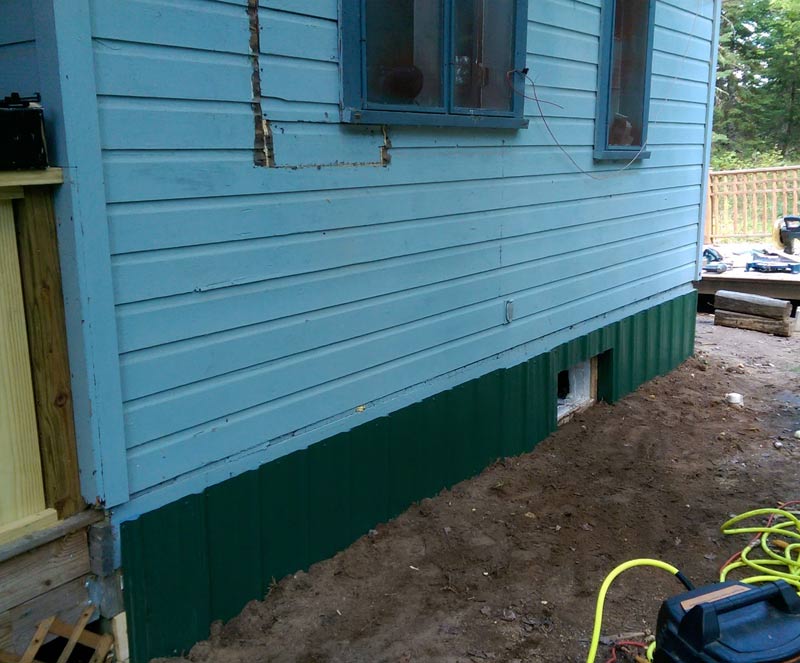
Crawl space siding serves as a barrier against moisture, pests, and debris that could potentially damage the foundation and structure of a building.
Materials Used for Crawl Space Siding
Common materials for crawl space siding include vinyl, wood, fiber cement, and metal. Each material has its own advantages in terms of durability, cost, and maintenance requirements.
Importance of Proper Installation
Proper installation of crawl space siding is essential to ensure a tight seal and prevent any gaps that could allow moisture or pests to penetrate the crawl space. Improper installation can lead to costly repairs and structural issues in the long run.
Types of Crawl Space Siding
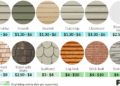
When it comes to crawl space siding, there are several types available in the market, each with its own set of pros and cons. It's important to understand the differences between these types to make an informed decision for your home.
Vinyl Siding
Vinyl siding is a popular choice for crawl spaces due to its affordability and low maintenance requirements. It comes in a variety of colors and styles, making it versatile for different home designs. However, vinyl siding may not be as durable as other materials and can crack or fade over time.
Fiber Cement Siding
Fiber cement siding is known for its durability and resistance to rot, fire, and insects. It can mimic the look of wood or masonry without the same maintenance requirements. However, fiber cement siding can be more expensive than other options and may require professional installation.
Wood Siding
Wood siding gives a natural and traditional look to crawl spaces. It can be painted or stained in various colors to match your home's aesthetic. However, wood siding requires regular maintenance, such as painting or sealing, to prevent rot or insect damage.
Brick Veneer Siding
Brick veneer siding offers a classic and timeless appearance to crawl spaces. It is durable and requires minimal maintenance compared to other siding materials. However, brick veneer siding can be costly to install initially.
Popular Brands
James Hardie
Known for high-quality fiber cement siding options.
CertainTeed
Offers a wide range of vinyl siding products with different textures and colors.
LP SmartSide
Provides engineered wood siding that is durable and resistant to termites and fungal decay.
Installation Process
When it comes to installing crawl space siding, it's crucial to follow a step-by-step process to ensure a durable and long-lasting installation. By paying attention to details and avoiding common mistakes, you can achieve a professional finish that protects your crawl space effectively.
Step-by-Step Installation Process
- Prepare the Area: Before installing siding, make sure the crawl space area is clean and free of debris. This will help the siding adhere properly and prevent any issues down the line.
- Measure and Cut the Siding: Take accurate measurements of the walls in the crawl space and cut the siding panels accordingly. Make sure to leave room for expansion and contraction.
- Start at the Bottom: Begin installing the siding at the bottom of the wall and work your way up. Use a level to ensure the panels are straight and properly aligned.
- Secure the Siding: Use the appropriate fasteners to secure the siding panels to the walls. Make sure to follow the manufacturer's guidelines for spacing and placement.
- Seal Joints and Edges: To prevent moisture infiltration, seal all joints and edges of the siding panels. This will help improve the overall insulation and protect against water damage.
- Finish with Trim: Complete the installation by adding trim pieces around windows, doors, and corners. This will provide a polished look and further protect the edges of the siding.
Tips for a Durable Installation
- Choose Quality Materials: Invest in high-quality siding materials that are designed for crawl space use. This will ensure durability and longevity.
- Follow Manufacturer Instructions: Always follow the manufacturer's installation guidelines to avoid voiding any warranties and ensure proper installation.
- Allow for Proper Ventilation: Proper ventilation is key to preventing moisture buildup in the crawl space. Make sure to leave space for airflow behind the siding.
- Inspect Regularly: After installation, inspect the siding regularly for any signs of damage or wear. Address any issues promptly to prevent further damage.
Common Mistakes to Avoid
- Skipping Surface Preparation: Failing to clean and prepare the surface before installation can lead to poor adhesion and premature siding failure.
- Incorrect Fastening: Using the wrong type of fasteners or spacing them incorrectly can result in loose siding panels or damage over time.
- Improper Sealing: Neglecting to seal joints and edges properly can leave the crawl space vulnerable to moisture infiltration and damage.
- Ignoring Ventilation Needs: Inadequate ventilation behind the siding can lead to mold growth and structural issues. Ensure proper airflow in the crawl space.
Maintenance and Care
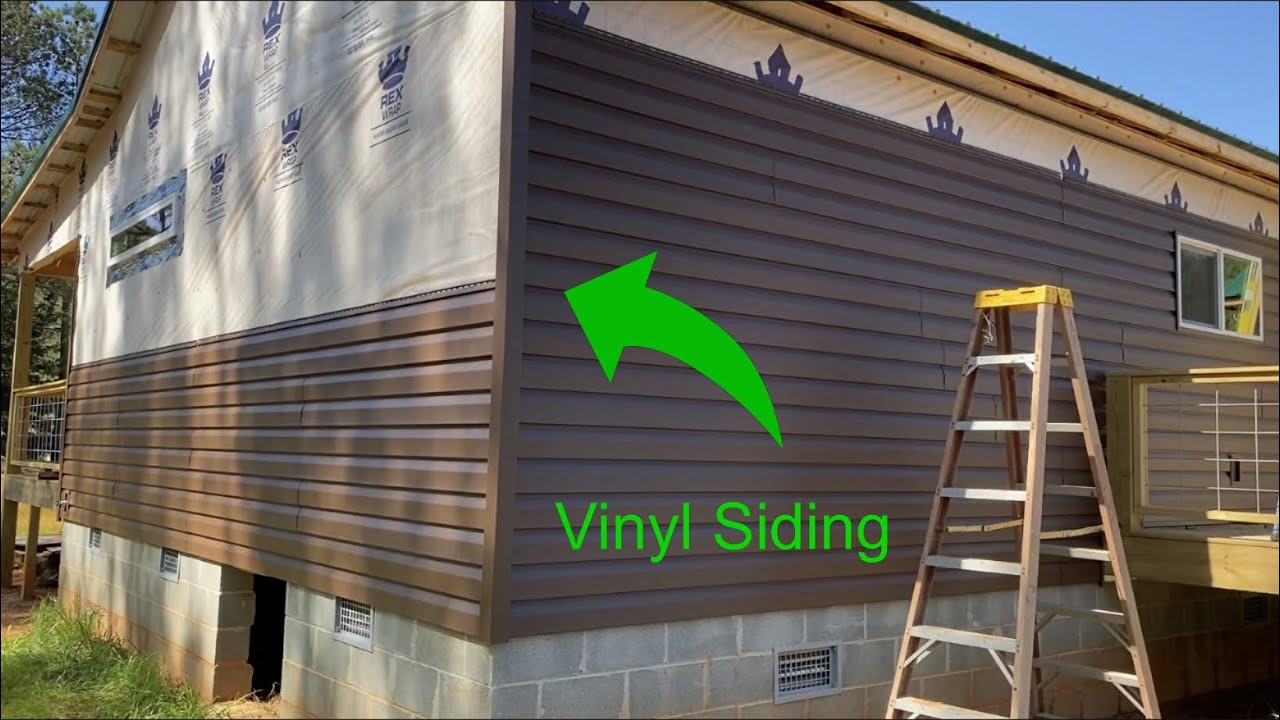
Proper maintenance and care are essential to prolong the lifespan of crawl space siding. By following these guidelines, you can ensure that your siding remains in good condition for years to come.
Signs of Repair or Replacement
It's important to keep an eye out for signs that indicate the need for repair or replacement of crawl space siding. Some common indicators include:
- Cracks or gaps in the siding
- Water damage or rot
- Peeling or chipping paint
- Loose or missing pieces of siding
Cleaning and Protection Tips
Regular cleaning and proper protection can help maintain the integrity of crawl space siding. Here are some best practices to follow:
- Regularly clean the siding with a mild detergent and water to remove dirt and debris.
- Inspect the siding for any signs of damage or wear and address them promptly.
- Apply a fresh coat of paint or sealant as needed to protect the siding from the elements.
- Trim back any vegetation that may be in contact with the siding to prevent damage.
Outcome Summary
As we conclude this journey through the world of crawl space siding, we reflect on the key points discussed. From understanding its importance to exploring different types and installation processes, you are now equipped with valuable knowledge to make informed decisions about crawl space siding.
FAQ Corner
What is the purpose of crawl space siding?
Crawl space siding serves to protect the structural integrity of a building by providing a barrier against moisture and pests.
How can I ensure a durable installation of crawl space siding?
Ensure proper sealing and insulation during installation to prevent water damage and maintain longevity.
When should I consider repairing or replacing crawl space siding?
Look out for signs of moisture damage, rot, or pest infestation as indicators that repair or replacement may be necessary.
What are the best practices for cleaning and protecting crawl space siding?
Regularly inspect for damage, clean with mild soap and water, and apply protective coatings to extend the lifespan of crawl space siding.