Diving into the realm of homewyse vinyl siding, this introduction offers a fascinating glimpse into the world of this versatile material. From its definition to its practical applications, readers will uncover the magic of vinyl siding in home construction.
Detailing the factors that influence costs, the installation process, and maintenance tips, this guide is your one-stop resource for all things homewyse vinyl siding.
Introduction to Homewyse Vinyl Siding
Vinyl siding is a popular material used in home construction for its durability, versatility, and ease of maintenance. It is made of PVC (polyvinyl chloride) resin and comes in a variety of colors, textures, and styles to suit different architectural preferences.
Benefits of Vinyl Siding
- Low Maintenance: Vinyl siding requires minimal upkeep, only needing occasional cleaning with soap and water to maintain its appearance.
- Durability: Vinyl siding is resistant to rot, moisture, and pests, making it a long-lasting option for exterior cladding.
- Affordability: Vinyl siding is a cost-effective choice compared to other materials like wood or brick, making it a popular option for budget-conscious homeowners.
Common Uses for Vinyl Siding
- Exterior Cladding: Vinyl siding is primarily used as a protective covering for the exterior walls of homes, providing insulation and enhancing curb appeal.
- Replacement Siding: Many homeowners choose vinyl siding as a replacement for older, worn-out siding materials due to its durability and low maintenance requirements.
- New Construction: Builders often opt for vinyl siding in new construction projects for its versatility, affordability, and wide range of design options.
Cost Estimation for Homewyse Vinyl Siding
When considering vinyl siding installation, it is crucial to understand the factors that can influence the overall cost. From material quality to labor expenses, various elements play a role in determining the final price of the project.Typical costs associated with vinyl siding projects can be broken down into several categories.
These include the cost of materials, labor, equipment rental (if needed), and any additional expenses such as permits or disposal fees. Each of these components contributes to the overall budget for the siding installation.
Factors Influencing the Cost of Vinyl Siding Installation
- The quality and type of vinyl siding chosen can significantly impact the overall cost. Higher-quality materials will generally come at a higher price.
- The size of the project and the amount of siding needed will influence the total cost. Larger homes or complex architectural designs may require more materials and labor, increasing the overall expenses.
- Additional features such as trim work, insulation, or special finishes can add to the cost of the project. These extra details can enhance the appearance and durability of the siding but come with additional costs.
Cost-Saving Tips for Homeowners
- Consider purchasing mid-range vinyl siding that offers a good balance between cost and quality. This can help you save money without compromising on durability.
- Get multiple quotes from different contractors to compare prices and find the best deal. Be sure to check reviews and references to ensure you are hiring a reputable professional.
- Opt for a simpler design or layout to reduce the amount of material and labor required for the project. Complex architectural features can drive up costs significantly.
- Plan the project carefully and communicate effectively with your contractor to avoid any unexpected expenses or delays. A well-executed plan can help you stay within budget and ensure a successful siding installation.
Installation Process for Homewyse Vinyl Siding
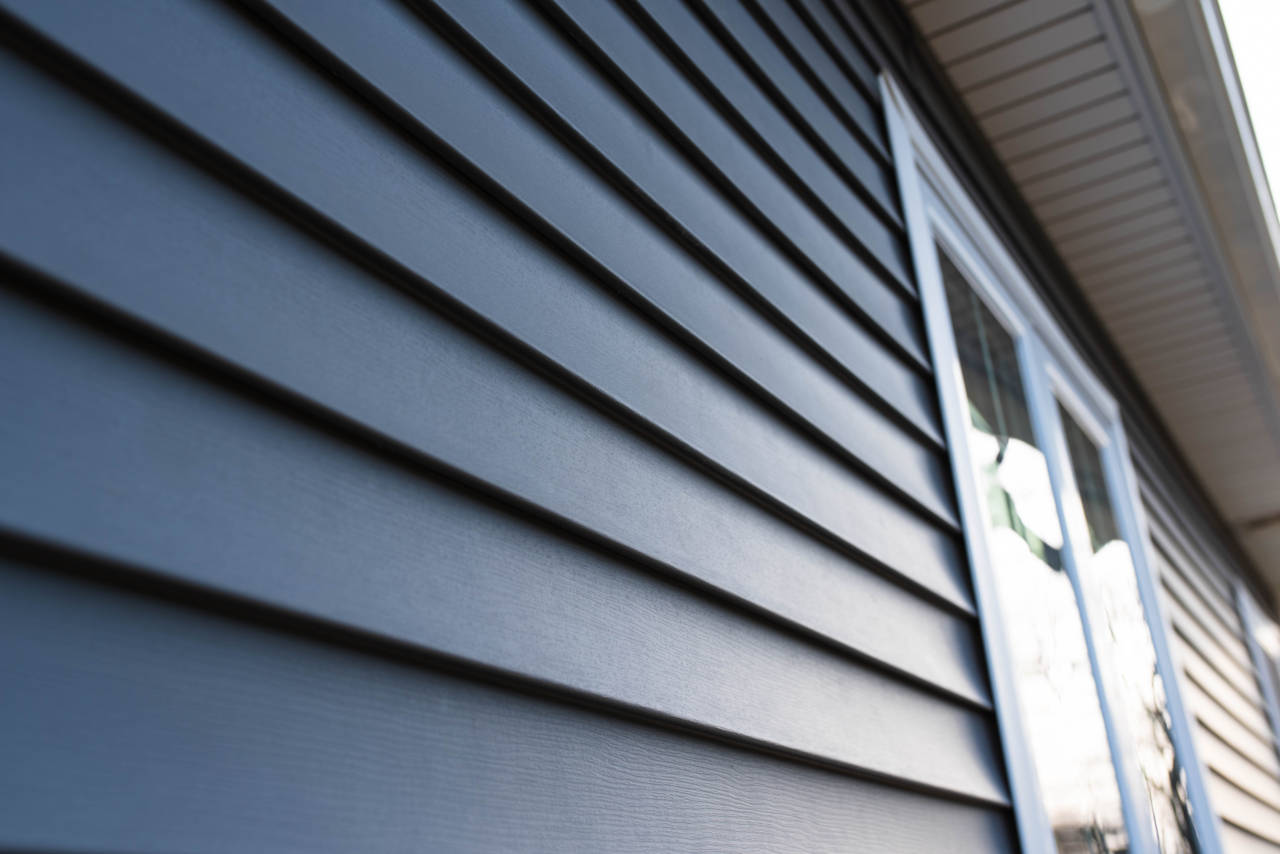
When it comes to installing vinyl siding, there are several key steps to follow to ensure a successful outcome. From preparing the surface to securing the panels, each step plays a crucial role in the overall installation process.
Tools and Materials Needed for Vinyl Siding Installation
- Vinyl siding panels
- J-channel
- Utility knife
- Tin snips
- Level
- Tape measure
- Nails or screws
- House wrap
- Caulk
- Hammer or screwdriver
Best Practices for Successful Vinyl Siding Installation
- Start with a clean and smooth surface to ensure proper adhesion of the siding panels.
- Measure and cut the panels carefully to fit around windows, doors, and corners accurately.
- Use a level to ensure the panels are installed straight and even.
- Secure the panels with nails or screws at the appropriate angle and spacing to prevent buckling or warping.
- Properly overlap the panels to allow for expansion and contraction with temperature changes.
- Finish the installation by sealing all joints and edges with caulk to prevent water infiltration.
Maintenance and Care of Homewyse Vinyl Siding
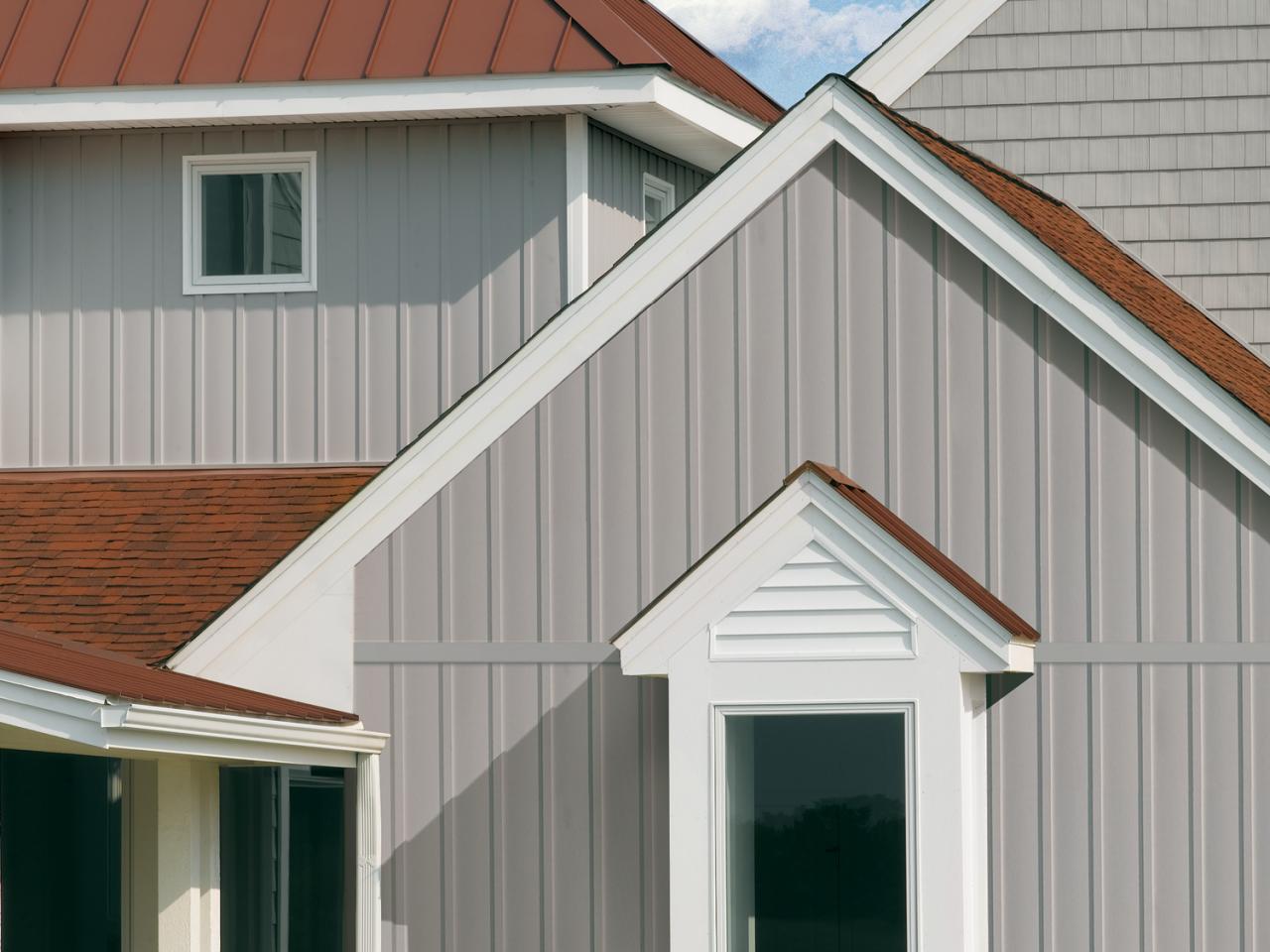
Proper maintenance of vinyl siding is essential to prolong its lifespan and keep your home looking its best. By following some simple care tips, you can ensure that your vinyl siding remains in top condition for years to come.
Common Issues with Vinyl Siding
- Damage from extreme weather conditions: Vinyl siding can crack or warp in extreme heat or cold. Inspect your siding regularly for any signs of damage and repair or replace as needed.
- Mold and mildew growth: Moisture can lead to mold and mildew growth on vinyl siding. Regularly clean your siding with a mild detergent and water solution to prevent this issue.
- Fading or discoloration: Over time, vinyl siding may fade or discolor due to sun exposure. Consider using a vinyl-safe cleaner and a soft brush to restore its original color.
Cleaning and Caring Tips for Vinyl Siding
- Regular cleaning: It is recommended to clean your vinyl siding at least once a year to remove dirt, dust, and other debris. Use a garden hose or pressure washer on a low setting to wash away grime.
- Avoid harsh chemicals: When cleaning vinyl siding, avoid using harsh chemicals like bleach or ammonia as they can damage the material. Stick to mild detergents and water for safe cleaning.
- Inspect for damage: Periodically inspect your vinyl siding for any signs of damage such as cracks, holes, or loose panels. Addressing these issues promptly can prevent further damage.
- Trim vegetation: Keep plants and bushes trimmed away from your vinyl siding to prevent moisture build-up and potential damage from overgrowth.
Final Summary
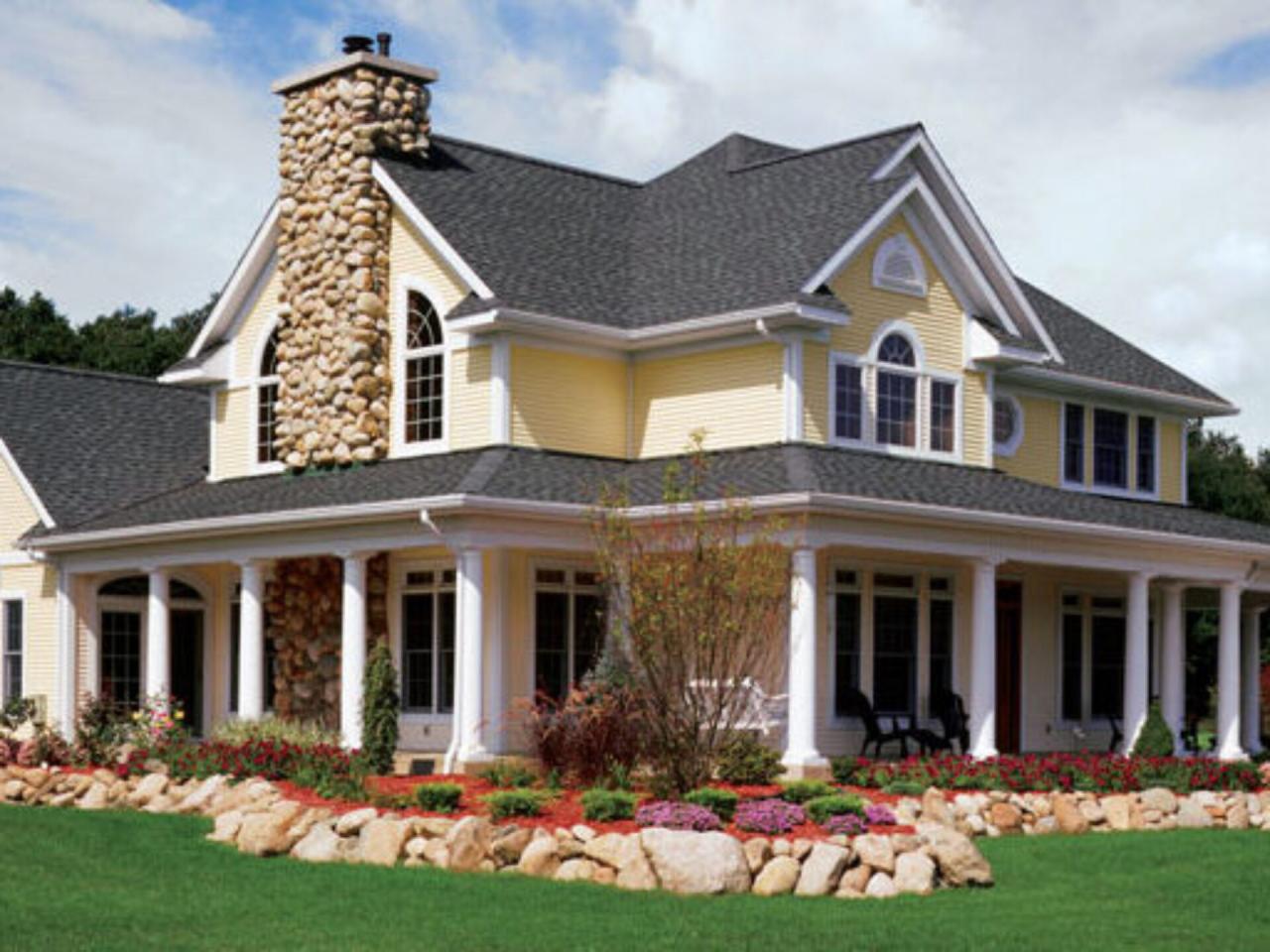
In conclusion, homewyse vinyl siding emerges as a cost-effective, durable, and aesthetically pleasing option for homeowners. With proper care and attention, vinyl siding can transform the look and feel of any home, making it a popular choice in the realm of home construction.
FAQ Compilation
What are the benefits of using vinyl siding?
Vinyl siding is known for its durability, low maintenance requirements, and versatility in design options.
What are some common issues that may arise with vinyl siding?
Issues like fading, warping, or cracking can occur over time, but proper maintenance can help prevent these.
What tools and materials are needed for a vinyl siding installation?
Tools like a hammer, utility knife, and a siding removal tool, along with materials such as siding panels, J-channels, and trim pieces are essential.