Delving into the realm of new house siding options, this introductory paragraph aims to provide a comprehensive overview of the various materials and considerations involved in making the right choice for your home.
Types of New House Siding
When it comes to choosing siding for your new house, there are several options available, each with its own unique features and benefits. Let's explore the most common types of siding materials used today.
Vinyl Siding
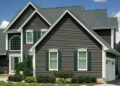
Vinyl siding is popular for its affordability and low maintenance requirements. It comes in a variety of colors and styles, making it a versatile option for many homeowners. However, it may not be as durable as other materials and can crack or fade over time.
Wood Siding
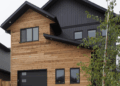
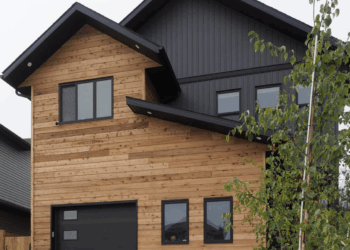
Wood siding offers a classic, natural look that many homeowners love. It can be painted or stained to match your preferences and provides good insulation for your home. However, wood siding requires regular maintenance, including painting and sealing to protect it from the elements.
Fiber Cement Siding
Fiber cement siding is a durable and long-lasting option that can mimic the look of wood or stucco. It is resistant to rot, fire, and pests, making it a low-maintenance choice for many homeowners. However, it can be more expensive than vinyl or wood siding.
Metal Siding
Metal siding, often made of aluminum or steel, is known for its strength and durability. It is resistant to fire, rot, and pests, making it a low-maintenance option for homeowners. However, metal siding can be prone to dents and scratches, especially in areas prone to severe weather.
Cost Considerations
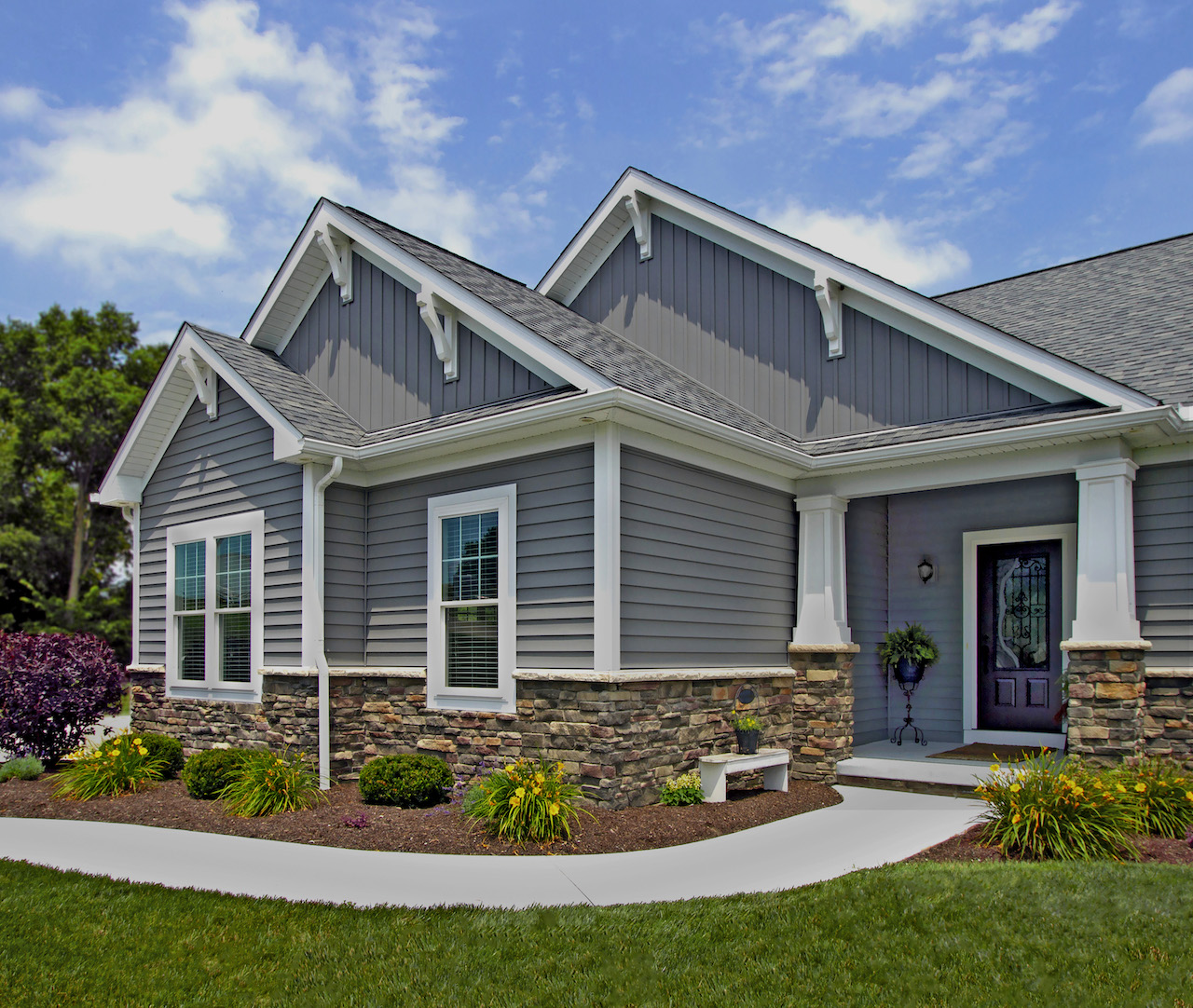
When considering new house siding options, cost is a significant factor that homeowners need to take into account. The total cost can vary depending on various factors, including the type of material used, the size of the house, installation costs, and any additional features or customization.One of the primary factors that influence the cost of new house siding is the type of material chosen.
Different siding materials come with varying price points, with some being more expensive than others. It's essential for homeowners to understand the typical costs associated with each type of siding material to make an informed decision.
Typical Costs Associated with Different Siding Materials
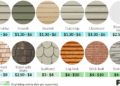
- Vinyl Siding: Vinyl siding is one of the most affordable options, with costs ranging from $3 to $7 per square foot for materials. Installation costs can vary but typically range from $2 to $7 per square foot.
- Fiber Cement Siding: Fiber cement siding is a more durable option but comes at a higher price, with material costs ranging from $5 to $12 per square foot. Installation costs can range from $5 to $10 per square foot.
- Wood Siding: Wood siding can provide a beautiful aesthetic but tends to be more expensive, with material costs ranging from $8 to $12 per square foot. Installation costs can range from $5 to $10 per square foot.
- Aluminum Siding: Aluminum siding is a cost-effective option, with material costs ranging from $3 to $6 per square foot. Installation costs can range from $4 to $8 per square foot.
Cost-Effective Alternatives for Homeowners
- Consider opting for vinyl siding, which is one of the most budget-friendly options available.
- Look for promotions or discounts from siding manufacturers or contractors to save on costs.
- Explore financing options or payment plans to make the cost more manageable over time.
Aesthetics and Design
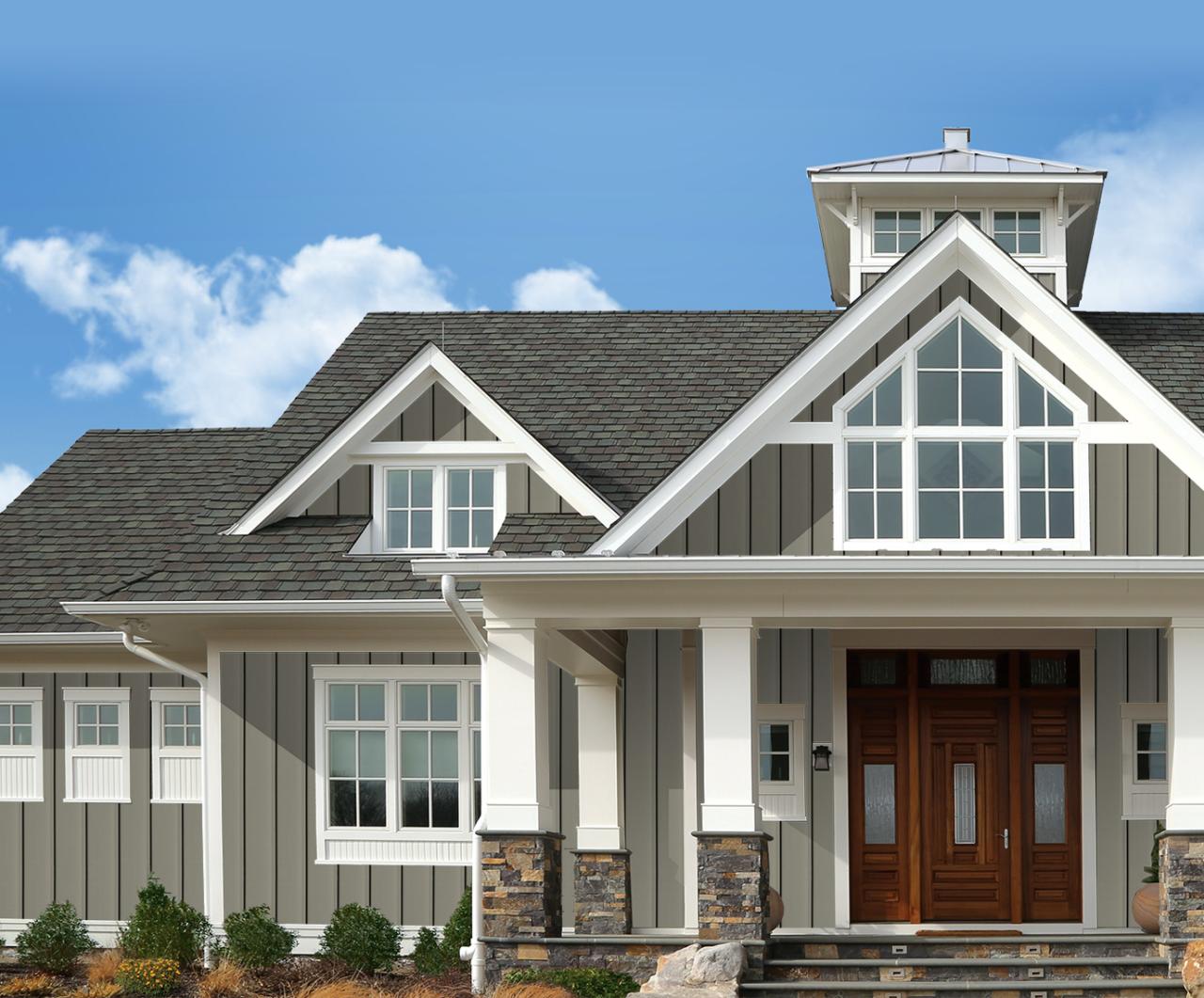
When it comes to the aesthetics and design of house siding, the material you choose can greatly impact the overall look and style of your home. Each siding material offers unique characteristics that can enhance the visual appeal of your property.
Color Options, Textures, and Finishes
Choosing the right color, texture, and finish for your siding is crucial in achieving the desired aesthetic for your home. Modern siding designs come in a wide range of options to suit different preferences and architectural styles. Here are some popular choices:
- Color Options: From classic neutrals to bold and vibrant hues, you can select a color that complements your home's exterior and enhances its curb appeal.
- Textures: Siding materials like wood, vinyl, and fiber cement offer various textures that can add depth and visual interest to your home's facade.
- Finishes: Matte, glossy, metallic, or textured finishes can create different effects and contribute to the overall aesthetic of your property.
Choosing Siding to Complement Architectural Style
When selecting siding for your home, it's essential to consider the architectural style of the property. Here are some tips to ensure your siding choice complements the design of your home:
- Traditional Homes: Opt for siding materials like wood or fiber cement with classic colors and textures to maintain the traditional look.
- Modern Homes: Sleek and minimalist siding options such as metal or vinyl with clean lines and bold colors can enhance the contemporary style of modern homes.
- Craftsman Style: Choose siding materials with natural textures like wood shakes or stone veneer to capture the essence of Craftsman architecture.
Energy Efficiency
When it comes to the energy efficiency of a house, the choice of siding material plays a crucial role in determining how well the home retains heat in the winter and stays cool in the summer.
Insulation Properties and Thermal Performance
Various siding options offer different levels of insulation properties and thermal performance. For example, vinyl siding is known for its low thermal conductivity, helping to reduce heat transfer through walls. On the other hand, fiber cement siding provides excellent thermal resistance, keeping the interior of the house more comfortable.
It's important to consider the R-value of the siding material, which indicates its insulating capacity. The higher the R-value, the better the material is at resisting heat flow.
Reducing Heating and Cooling Costs
- Choose insulated siding: Insulated siding products have a layer of foam insulation attached to the back of the panels, helping to improve the overall energy efficiency of the home.
- Opt for reflective coatings: Some siding materials come with reflective coatings that can bounce sunlight away from the house, reducing heat absorption and cooling costs.
- Proper installation: Ensure that the siding is installed correctly with proper sealing and insulation to prevent air leaks and maximize energy savings.
Closing Notes
In conclusion, choosing the right siding for your new house is a crucial decision that encompasses factors like cost, aesthetics, energy efficiency, and durability. By weighing these considerations carefully, you can enhance the beauty, functionality, and value of your home.
User Queries
What are the most popular types of siding materials for new houses?
Common types include vinyl, wood, fiber cement, and metal siding, each offering unique features and benefits.
How do siding materials impact the overall look of a house?
Siding materials can significantly influence the aesthetics and style of a home, with options for colors, textures, and finishes to enhance curb appeal.
What factors should homeowners consider when choosing new house siding based on cost?
Factors like material quality, installation complexity, and long-term maintenance costs can all influence the overall cost of siding options.
Is energy efficiency a significant consideration when selecting siding materials?
Absolutely, as the right siding material can improve insulation properties and contribute to reducing heating and cooling expenses over time.